
CES 2026: Are Humanoid Robots Really Ready for Factory Production Lines?
From 99% Success Rates to $5.71/Hour Operating Costs - A Technical Deep Dive into the Reality Behind the Hype

CES 2026 has concluded in Las Vegas, and unlike previous years, the humanoid robots on display were no longer mere attention-grabbing performance props. Instead, they came equipped with real factory operation data and commercialization timelines. From exhibition demo areas to actual production line deployments, 2026 may truly mark the watershed moment when humanoid robots transition from concept to reality.
1. CES 2026: From Showcase to Reality
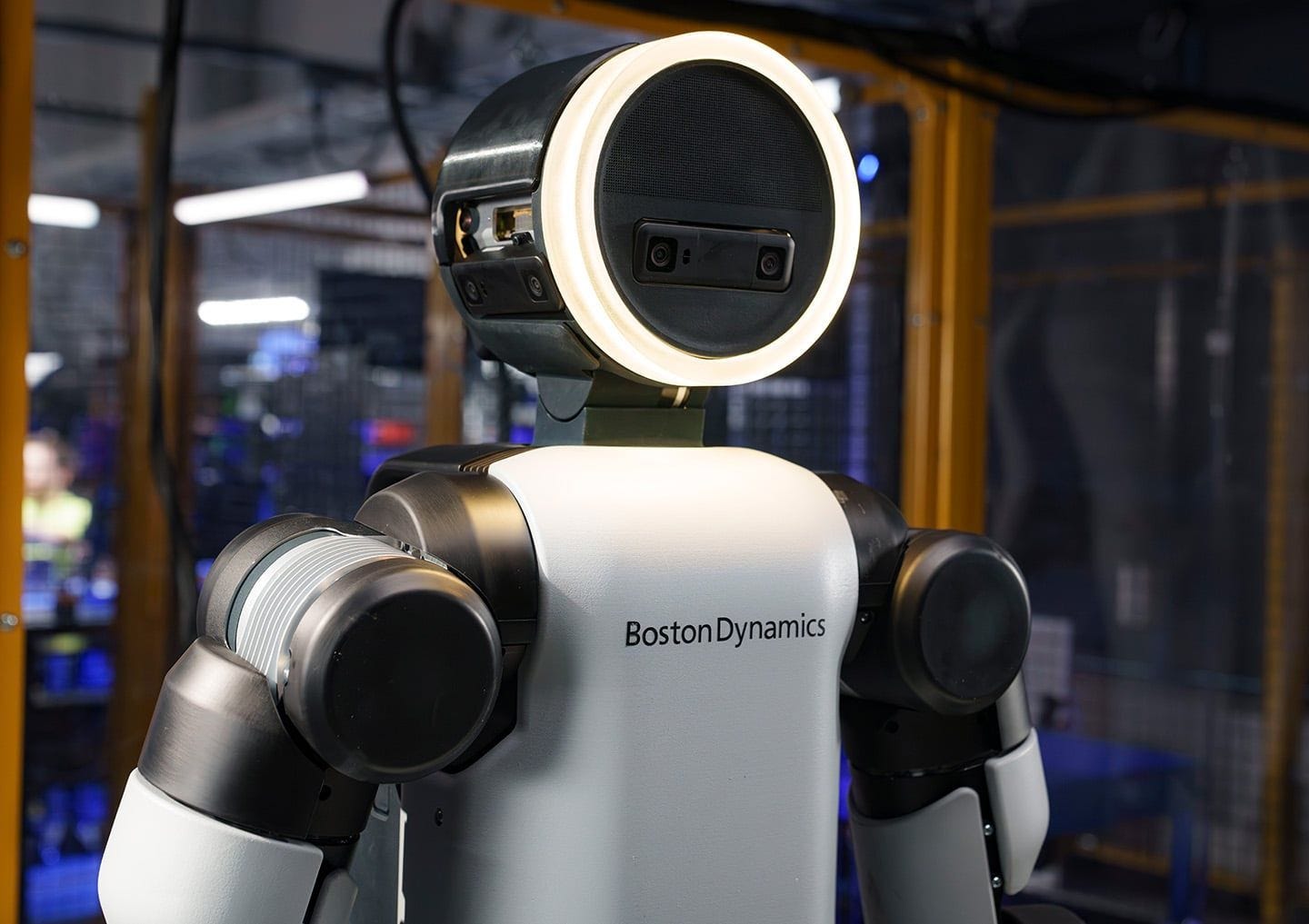
Boston Dynamics officially unveiled the commercial version of its Atlas robot at the exhibition - the company’s first commercially-oriented humanoid robot product in 30 years. The new generation Atlas features 56 degrees of freedom, a payload capacity of 50 kilograms, an operating temperature range from -20°C to 40°C, and an arm reach extending to 2.3 meters. More importantly, Boston Dynamics announced that all production capacity for 2026 has been fully booked, with initial deliveries scheduled for Hyundai’s Robotics Application Center and Google DeepMind.
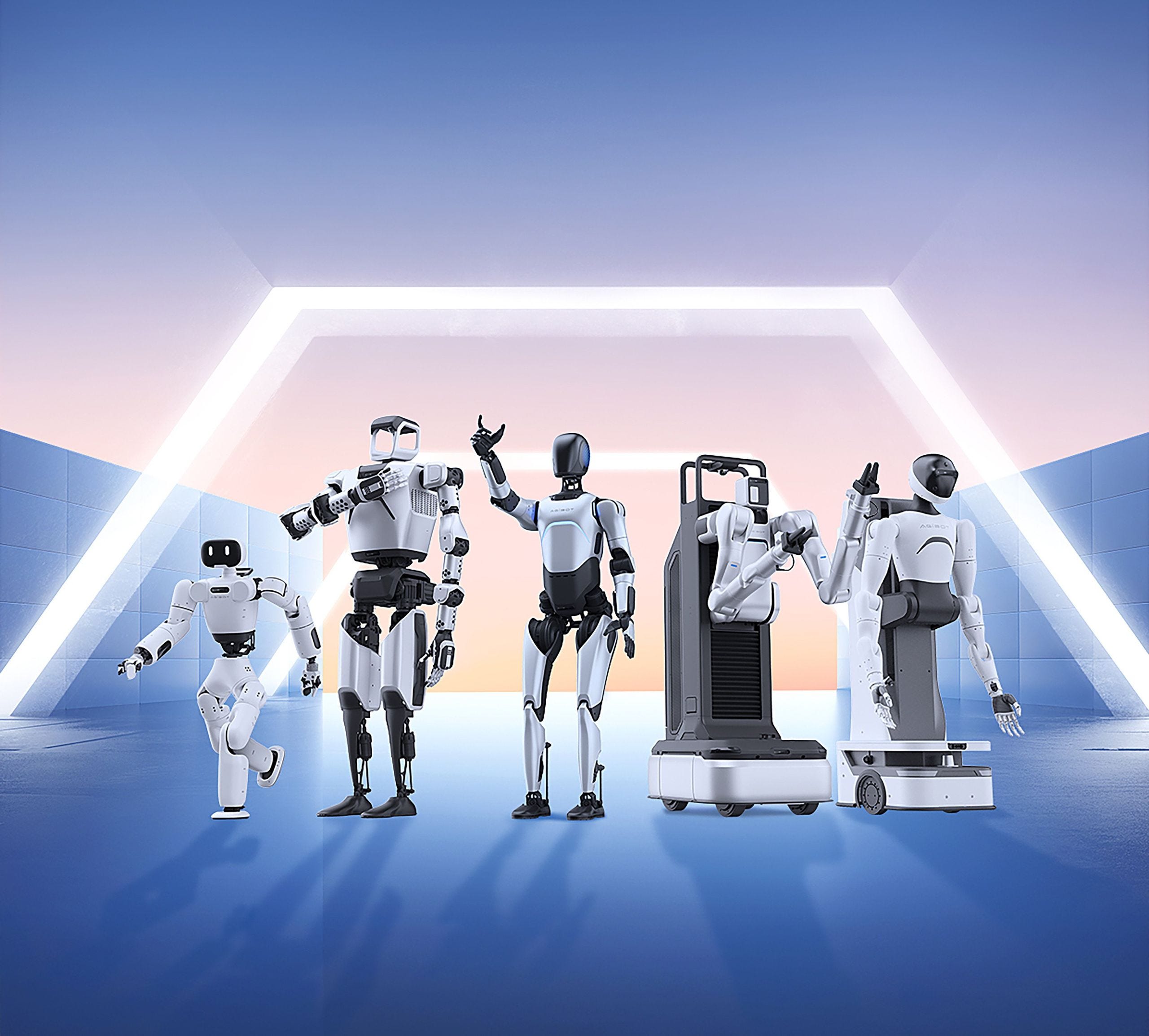
Chinese robotics companies also made a collective statement at this exhibition. Agibot demonstrated its full product lineup, including the Lingxi X2, Yuanzheng A2, and Jingling G2 models, with key demonstrations of swarm choreography, complex interactions, and unstructured factory environment operations. Unitree brought its G1 mass production version, while Fourier showcased its new generation full-size humanoid robot “GR-3 Cathead,” standing 165 cm tall, weighing 71 kg, and equipped with 55 degrees of freedom throughout its body.
The unique aspect of this exhibition was that participating companies no longer focused purely on technical demonstrations, but came with actual production line data and commercialization roadmaps. During the event, multiple companies announced their 2026 mass production plans and customer orders. This pragmatic shift perhaps signals that the humanoid robotics industry is transitioning from “technical demonstration” to “commercial validation” phase.
2. Unstructured Environments: The Real Technical Challenge
2.1 What Are Unstructured Environments?
To understand the value of humanoid robots in factory production line applications, we must first clarify what constitutes an unstructured environment. Traditional industrial robots excel in structured environments - standardized workstations, fixed material positions, and predefined motion trajectories. In such environments, robots only need to repeatedly execute identical action sequences according to programming.
Unstructured environments are entirely different. Material positions may vary each time, tool placement angles may deviate, and even the dimensions of operating objects may have subtle differences. In such environments, robots need human-like perception, judgment, and adaptation capabilities.
Traditional industrial robots perform excellently in automotive manufacturing processes like welding and painting, but struggle in final assembly operations. Final assembly involves extensive wire harness connections, component installations, and quality inspections - tasks requiring robots to “understand” complex three-dimensional spaces, “comprehend” assembly logic relationships, and “adjust” operational force and angles. This is precisely where humanoid robots’ technical advantages lie.
The core value of humanoid robots lies not in replacing all human labor, but in filling the “middle ground” that traditional automation equipment cannot cover - those operational segments requiring certain flexibility while remaining standardizable.
2.2 Real Cases: From Laboratory to Production Lines
CATL’s “Xiao Mo” Robot Breakthrough
In December 2025, CATL launched the world’s first large-scale deployment of embodied intelligent humanoid robots on a battery PACK production line at its Henan Zhongzhou base. The “Xiao Mo” robots working on this line were developed by Spirit AI, a CATL ecosystem company, specifically responsible for high-voltage connector insertion operations in battery systems.
From a technical data perspective, “Xiao Mo’s” performance is impressive: insertion success rates consistently above 99%, operational tempo matching skilled workers, and daily workload achieving a 3x improvement. More importantly, “Xiao Mo” can autonomously detect wire harness connection status, immediately report anomalies, and operate continuously for 24 hours.
Behind this 99% success rate lies a technological breakthrough in unstructured environment robotics. Battery PACK line high-voltage connector operations require robots to precisely identify interface positions for different battery models, adapt to minute dimensional variations, dynamically adjust force during flexible wire harness insertion/removal, ensuring stable connections without damaging precision components.
Figure AI’s Real-World Validation at BMW Factory
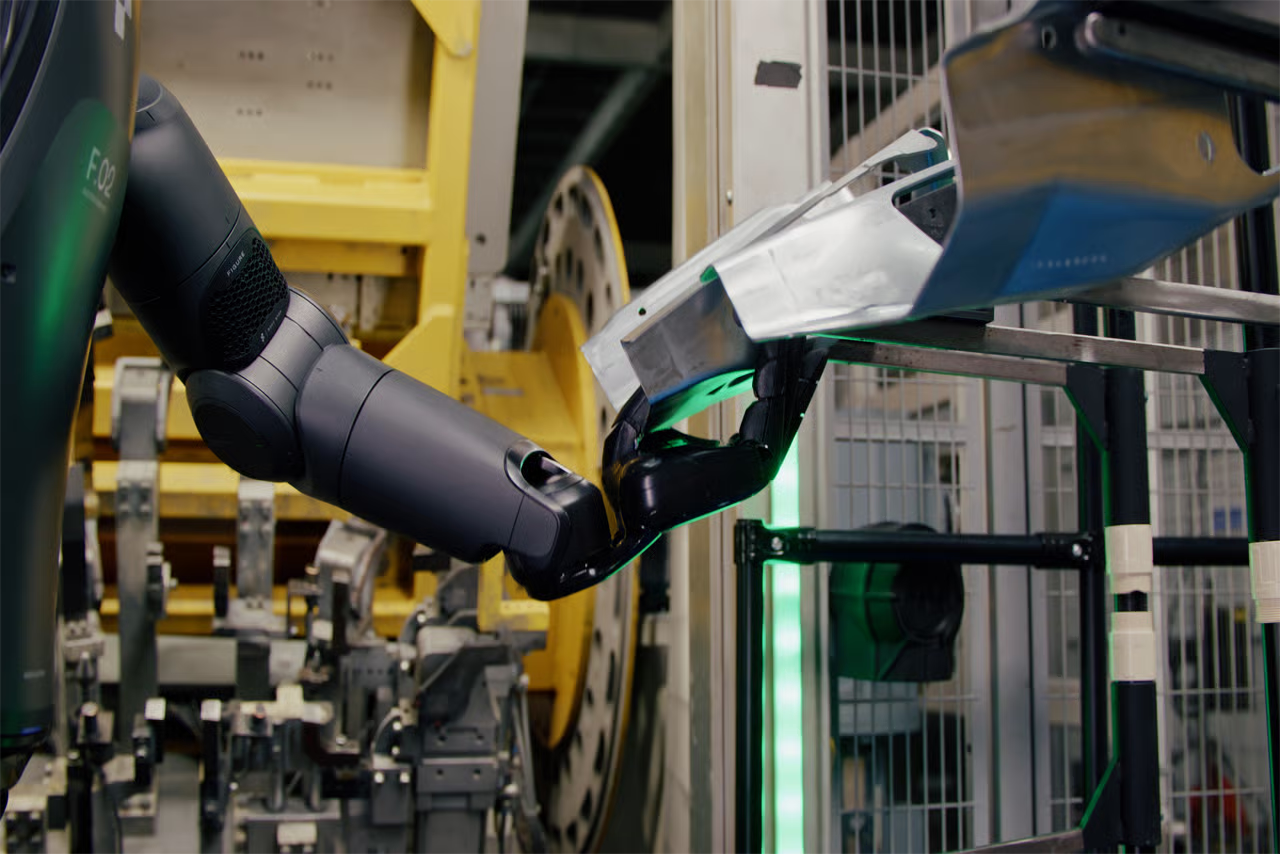
Figure AI’s Figure 02 robot completed an 11-month pilot project at BMW’s South Carolina factory, possibly the longest humanoid robot field testing in factory environments to date. During these 11 months, Figure 02 accumulated 1,250 hours of operation, participated in assembly work for components related to 30,000 vehicles, and completed loading tasks for over 90,000 metal sheet parts.
Unlike CATL’s specialized scenario, BMW’s testing environment more closely approximated real automotive manufacturing conditions. The robot needed to adapt to production line tempo changes, handle assembly variations across different vehicle models, and collaborate with human workers. After the pilot concluded, Figure AI applied the experience to Figure 03’s iterative development, demonstrating the gradual development pathway characteristic of humanoid robot technology through this “deploy-while-improving” model.
Hyundai’s Deployment Planning
As the controlling shareholder of Boston Dynamics, Hyundai has formulated the most aggressive humanoid robot deployment plan. The company announced it will begin officially deploying Atlas robots at its electric vehicle factory in Savannah, Georgia, starting in 2028, and plans to build a production base with an annual capacity of 30,000 robots.
Hyundai’s deployment pathway reflects pragmatic engineering thinking: starting with simple tasks like component handling, gradually expanding to complex assembly operations, and ultimately undertaking production tasks involving heavy loads, repetitive actions, and complex operations. By 2030, Atlas robots are expected to enter component assembly domains. This phased advancement strategy reduces technical risks while providing time for supply chain maturation.
3. Technical Analysis: The Engineering Reality Behind 99% Success Rate
3.1 Perception Layer: The Ultimate Challenge of Machine Vision
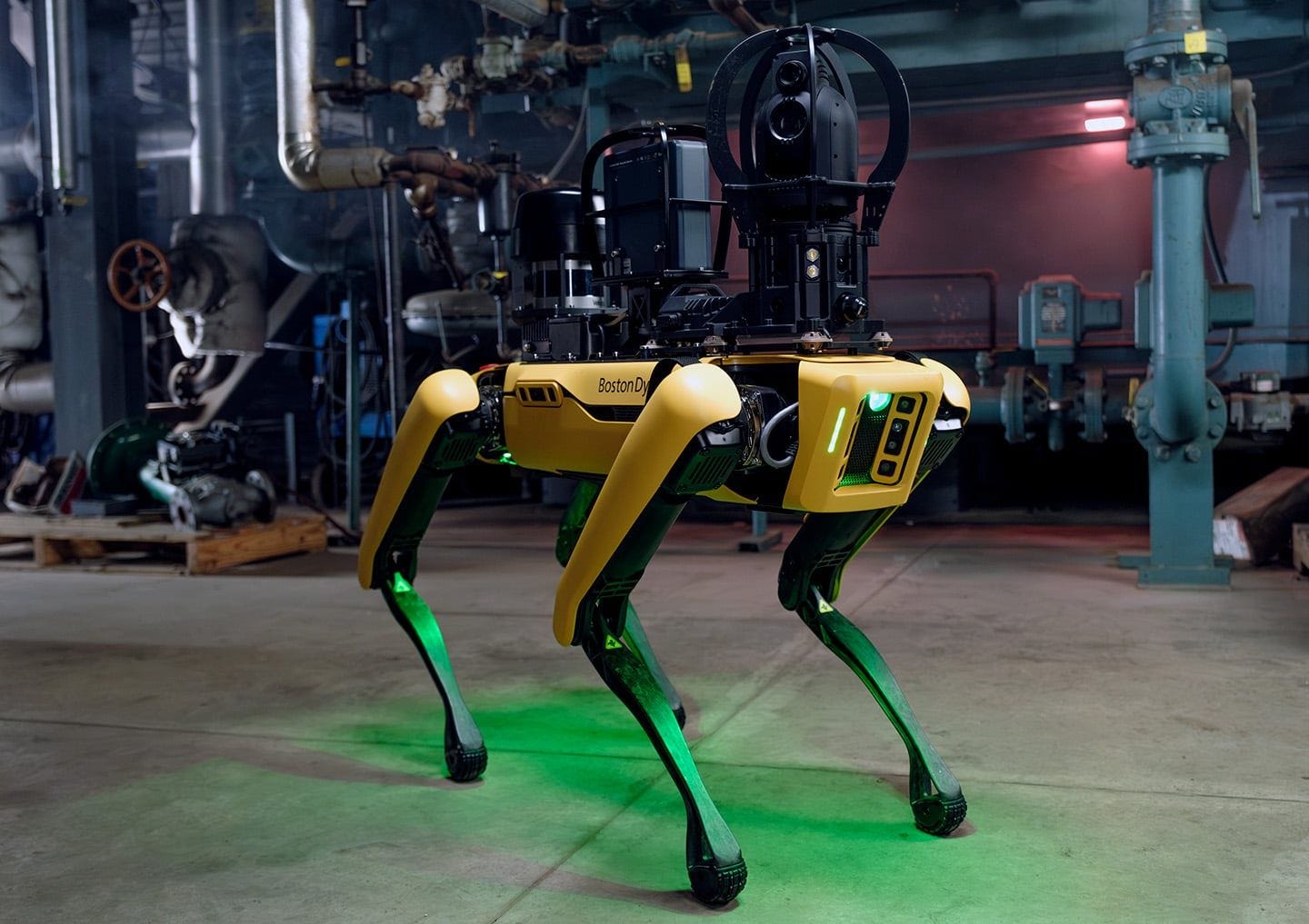
The success rate of humanoid robots in unstructured environments largely depends on perception system performance. Unlike structured environments that can rely on fixed-position sensor solutions, unstructured environments require robots to possess human-like visual understanding capabilities.
Current mainstream perception solutions typically employ multi-sensor fusion architectures: stereo cameras provide depth information, RGB cameras handle color and texture recognition, LiDAR or structured light cameras perform precise distance measurements, and IMUs provide orientation data. These sensor data must be fusion-processed within milliseconds to generate environmental models that robots can understand.
Perception layer technical challenges primarily stem from industrial environment complexity. Metallic surface reflections interfere with laser ranging, changing lighting conditions affect image recognition stability, dust and oil contamination may obstruct sensors, and production line vibrations impact image clarity.
To address these challenges, engineering teams typically employ multiple redundancy designs. For instance, in CATL’s application, “Xiao Mo” robots simultaneously use visual and force sensors to determine connector positions and insertion depths. When visual systems misjudge due to lighting or obstruction, force feedback can promptly correct operational trajectories.
3.2 Decision Layer: The Intelligent Bridge from Recognition to Action
Environmental information collected by perception systems must be transformed into specific action commands through decision systems. The technical core of this layer is intelligent decision systems based on VLA (Vision-Language-Action) models.
VLA models work by unifying visual input, language instructions, and action output within an end-to-end neural network architecture. Robots no longer need pre-programmed sequences for all possible operations, but can generate adaptive action strategies in real-time by understanding task descriptions and environmental states.
The collaboration between Google DeepMind and Boston Dynamics operates at precisely this level. DeepMind’s foundation models provide Atlas with enhanced cognitive capabilities, enabling the robot to handle previously unseen operational scenarios. However, this capability enhancement also brings new challenges: ensuring the reliability and explainability of AI system decisions.
In industrial applications, decision systems must possess anomaly handling capabilities. When sensor data anomalies occur, operating objects deviate significantly from expected positions, or external environments change, systems must identify these abnormal conditions and take appropriate countermeasures, rather than blindly executing potentially damaging operations.
3.3 Execution Layer: The Mechanical Challenge of Precision Operations
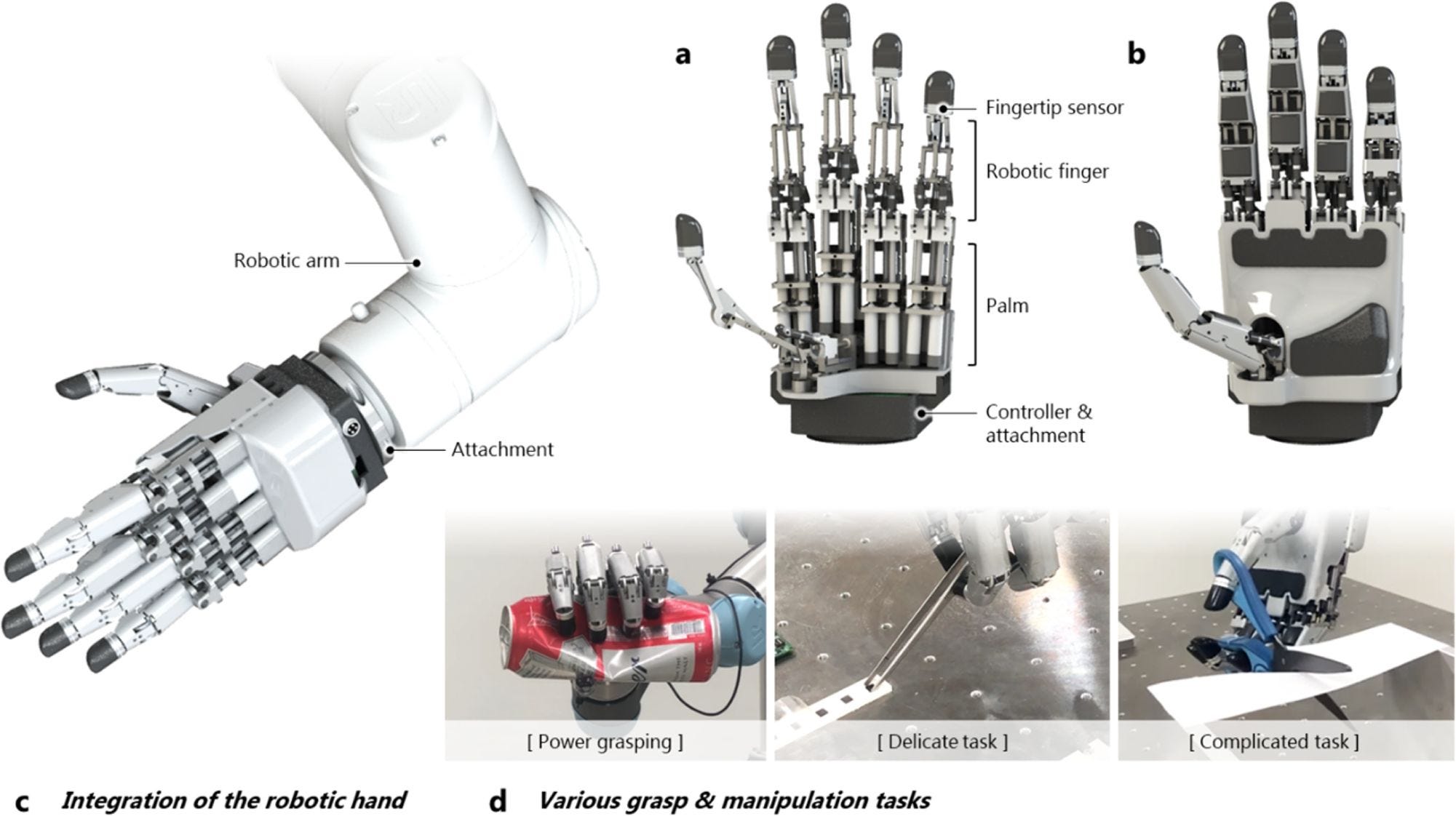
The technical core of the execution layer is dexterous hand systems and force control technology. Current mainstream humanoid robot dexterous hands typically feature 12-22 degrees of freedom, with each joint equipped with high-precision servo motors and torque sensors. This design enables robots to simulate human hand grasping and manipulation actions, but also brings exponentially increased control complexity.
Force control technology is crucial in unstructured environment operations. Taking CATL’s wire harness insertion as an example, robots must sense contact force changes in real-time during insertion processes. When resistance is excessive, they must promptly adjust angles or withdraw for retry, while applying sufficient force when insertion is complete to ensure secure connections. This force control precision typically requires Newton-level accuracy, far exceeding traditional industrial robot capabilities.
Dynamic balance is also a technical difficulty in the execution layer. When humanoid robots manipulate heavy objects or perform complex actions, they must continuously adjust body posture to maintain stability. Atlas robot’s 56-degree-of-freedom design provides sufficient action flexibility, but this also means control algorithms must simultaneously coordinate 56 joint movements, with computational complexity growing exponentially.
3.4 The Real Meaning of 99%
CATL’s announced 99% insertion success rate appears impressive, but from an engineering perspective, the true meaning of this figure requires more detailed analysis.
First, 99% does not equal 100%, and the remaining 1% failure rate reflects current technological boundaries. This 1% failure typically occurs under extreme conditions: sensor data anomalies, operating objects severely deviating from standard positions, external interference causing operational interruptions, etc. These failure cases usually require human intervention or system restart.
Second, this success rate was measured under specific operating conditions. CATL’s battery PACK production line is relatively standardized, with operations and processes having certain standardization levels. If the same robot were deployed in more complex assembly operations, success rates would likely decline noticeably.
Compared to skilled workers, the 99% success rate indeed has advantages in stability. While skilled workers may achieve success rates approaching 100%, they are affected by factors like fatigue, attention dispersion, and emotional fluctuations, whereas robot performance remains relatively stable. However, in handling exceptional situations flexibly, human workers still maintain clear advantages.
4. Reality Check: A Cold Look at Factory Floor Applications
4.1 Economic Analysis
Whether humanoid robots can be widely deployed on factory production lines ultimately depends on economic calculations. According to recent industry analysis, humanoid robot operating costs have dropped to $5.71 per hour, while US warehouse worker hourly wages generally range between $25-30. From pure labor cost comparison, robots indeed possess clear advantages.
However, complete economic analysis must consider more factors. First is initial investment cost - industrial-grade humanoid robots typically price between $100,000-500,000, plus deployment, commissioning, and training expenses, potentially reaching million-dollar investment levels. Second is maintenance costs - key robot components (reducers, servo motors, sensors) require regular maintenance and replacement, with annual maintenance expenses typically representing 10-20% of equipment value.
Return on investment calculations must be based on specific application scenarios. For positions requiring 24-hour continuous operation with high labor costs, payback periods might be 2-3 years. However, for intermittent operations or regions with relatively low labor costs, payback periods could extend to 5-8 years.
Robot lifespan and technology update cycles must also be considered. Current humanoid robot technology remains in rapid development phases, with potentially significant performance improvements in new generation products within 5 years. This rapid technological iteration characteristic increases investment technical risks.
4.2 Applicable Scenario Boundaries
Not all factory production line operations are suitable for humanoid robots. Through analysis of existing cases, we can preliminarily define applicable scenario boundaries.
Suitable scenarios include highly repetitive, highly standardized tasks such as component assembly, quality inspection, and material handling. High-risk, high-intensity operating environments are also ideal application scenarios, including operations in high-temperature, low-temperature, or toxic environments. 24-hour continuous operation requirements and positions facing labor shortages are equally suitable for robot deployment.
Unsuitable scenarios primarily involve highly non-standardized work requiring creative decision-making. Extremely precise operations (micrometer-level assembly) currently exceed robot capability ranges. Complex interpersonal communication collaboration and frequently changing process flows are also not robot strengths.
Notably, applicability boundaries are not fixed. With technological progress, originally unsuitable scenarios may gradually enter robot capability ranges. However, under current technological levels, overestimating robot applicability may lead to investment risks and deployment failures.
4.3 US-China Technical Route Differences
From CES 2026 exhibitions, clear differences emerge between US and Chinese approaches to humanoid robot technology routes.
US company technical routes emphasize AI capabilities and versatility more strongly. The Boston Dynamics-Google DeepMind collaboration exemplifies this approach: leveraging powerful foundation models to provide robots with higher intelligence levels, enabling them to handle more complex and diverse tasks. Figure AI similarly follows an “AI-first” route, emphasizing robot learning and adaptation capabilities.
This route’s advantages lie in higher technical ceilings and better robot versatility and intelligence levels. However, disadvantages include high technical complexity, long development cycles, and difficult cost control.
Chinese company technical routes focus more on cost reduction, efficiency improvement, and rapid mass production. Companies like Unitree, Agibot, and Fourier all treat cost control as core competitive advantage, rapidly reducing product costs through modular design, supply chain optimization, and scaled production methods.
This route’s advantages lie in faster commercialization realization and suitability for cost-sensitive application scenarios. However, technological accumulation is relatively weak, potentially creating capability bottlenecks when handling complex tasks.
Long-term, these two routes may converge: US companies will strengthen cost control and commercialization advancement, while Chinese companies will increase R&D investment to enhance product capabilities.
5. 2026: What “Mass Production Era” Really Means
5.1 Mass Production ≠ Large-Scale Application
Although the industry widely calls 2026 the “mass production era” for humanoid robots, mass production and large-scale application are two different concepts. According to TrendForce predictions, global humanoid robot shipments in 2026 may exceed 50,000 units, with growth rates exceeding 700%.
This figure appears substantial, but becomes quite limited when viewed against the global manufacturing backdrop. Global manufacturing employs over 500 million people - even at a 1:1000 replacement ratio, 500,000 robots would be needed to create significant impact.
From company perspectives, leading manufacturer capacity planning remains relatively conservative. Boston Dynamics, Figure AI and similar companies’ 2026 capacity is projected at 1,000-5,000 units, primarily targeting pilot projects and key customers. Even the most aggressive Chinese companies plan mass production scales mostly at ten-thousand unit levels.
This capacity planning reflects industry cautious judgment regarding market demand. Humanoid robots, as emerging technology, must experience progression from pilot validation to scaled promotion. Excessive capacity expansion could bring inventory risks and financial pressure.
5.2 Industrial Chain Maturity
Humanoid robot mass production also faces industrial chain maturity challenges. Core components like reducers, servo motors, and sensors still primarily depend on imports, creating supply chain stability risks.
Reducers are key components for humanoid robot joints, directly affecting robot precision and reliability. Currently, high-precision harmonic reducers are mainly monopolized by companies like Japan’s Harmonic Drive, with Chinese companies still in catch-up phases in this field. As humanoid robot demand grows, reducers may become capacity bottlenecks.
Sensors face similar issues. High-performance visual sensors, force sensors, and IMUs are primarily supplied by European and American companies, with high costs and long delivery cycles. While domestic substitution is advancing, gaps remain in performance and reliability.
Cost reduction requires scale effect support. Only when humanoid robot shipment volumes reach certain scales can industrial chains achieve cost optimization through batch production. This creates a “chicken-and-egg” problem: without sufficient shipment volumes, costs cannot be reduced, and without cost reduction, market demand expansion becomes difficult.
5.3 Short, Medium, and Long-term Impact Assessment
Short-term (2026-2027), humanoid robot applications will primarily focus on pilot projects. Key customers will deploy small-scale robot teams in specific scenarios, accumulating operational experience and data. This phase’s main objectives are technical validation and problem discovery, with relatively limited commercial value.
Technical iteration will accelerate during this phase. Feedback data obtained through actual deployments will drive rapid product improvements, with significant enhancements in both hardware reliability and software algorithms. Simultaneously, standardization work will gradually advance, laying foundations for subsequent scaled applications.
Medium-term (2028-2030), the automotive manufacturing industry is expected to lead in achieving scaled humanoid robot applications. The automotive industry has high automation levels and relatively good acceptance of new technologies - successful cases from companies like Hyundai and BMW will serve demonstrative roles.
Costs will continue declining during this phase. As shipment volumes grow and industrial chains mature, humanoid robot prices may drop below $100,000, making them economically viable in more scenarios. Policy and standard systems will also gradually improve, providing regulatory guidance for industry development.
Long-term (2035 and beyond), humanoid robots may achieve widespread application across multiple industries. Beyond manufacturing, logistics, construction, and service sectors will also see substantial robot presence. According to some optimistic predictions, the global humanoid robot market could reach $480-510 billion by 2035.
However, such long-term predictions carry considerable uncertainty. Nonlinear characteristics of technological development, changing market acceptance, and policy environment adjustments could all influence actual development trajectories.
6. Rational Conclusion: Between Progress and Reality
The humanoid robots demonstrated at CES 2026 indeed represent important technological progress. From Boston Dynamics’ Atlas commercialization to CATL’s “Xiao Mo” robot actual deployment, and Chinese companies’ collective efforts, all indicate this technology is transitioning from concept to reality.
The 99% insertion success rate deserves recognition, reflecting engineering team breakthroughs in perception, decision-making, and execution technical layers. However, we must also understand this figure’s limitations: it was achieved in relatively standardized environments, and success rates might decline when facing more complex unstructured scenarios.
Humanoid robot applications on factory production lines are occurring, but advancement speed may be slower than some optimistic expectations. Factors including technological maturity, cost control, industrial chain supporting, and market acceptance will all influence actual deployment processes.
The true value of humanoid robots lies in their adaptability, not simply replacing all human labor. In segments requiring certain flexibility while remaining standardizable, robots can play unique roles. However, for tasks requiring creative thinking, complex communication, or extremely precise operations, human workers retain irreplaceable value.
While focusing on technological evolution, greater attention must be paid to economic viability and sustainability. Only when humanoid robots can meet industrial application requirements in cost-effectiveness, reliability, and maintenance convenience will the true mass production era arrive.
2026 may not be the year of complete humanoid robot maturity, but it certainly represents an important milestone. From this starting point, technology-market interactions will determine this field’s future development trajectory. Rational assessment of progress and pragmatic application advancement may be the most appropriate attitude for the current phase.
🎯 Master Robotics Engineering (The Way School Never Taught)
After 13 years in the field, I’ve learned that the best engineering knowledge doesn’t come from textbooks—it comes from real projects, failures, and breakthroughs.
That’s what I share every week in The Robotics Engineer’s Digest:
Technical Deep Dives → Real engineering analysis with formulas
Case Study Breakdowns → Learn from $100K+ mistakes (so you don’t repeat them)
Component Selection Guides → Decision frameworks for motors, reducers, sensors
Industry Intelligence → What’s actually happening in humanoid robotics, automation, AI
100% free. Zero spam. Unsubscribe anytime.
💬 What Are You Working On Right Now?
I create content based on what engineers actually need.
Comment below and tell me:
What type of robot/automation project are you working on?
What’s your biggest technical challenge right now?
What topic would you like me to cover next?
100+ engineers have already shared. Your input shapes future articles!
Join 100+ robotics engineers getting smarter every week: